Travel information
Paro is usually the enty and exit point of Bhutan, and flights operate from Dehli via Kathmandu and Bangkok via Culcutta, Bhutan can also be reached overland from India, But it is a long drive from the border to the main places of Interest.
Travelling in Bhutan
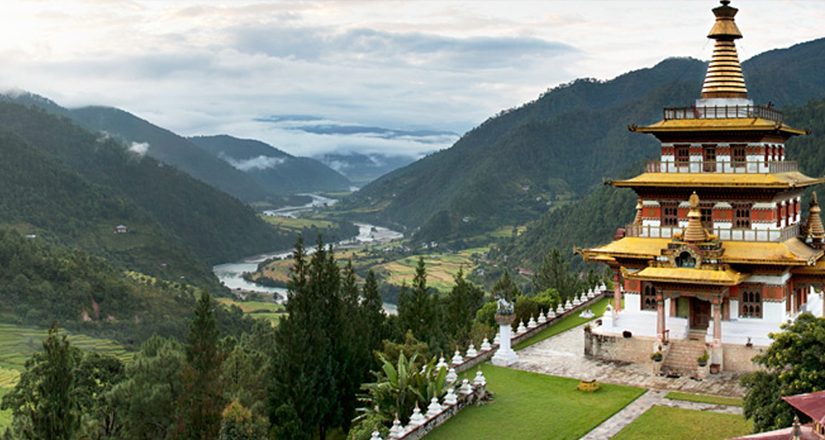
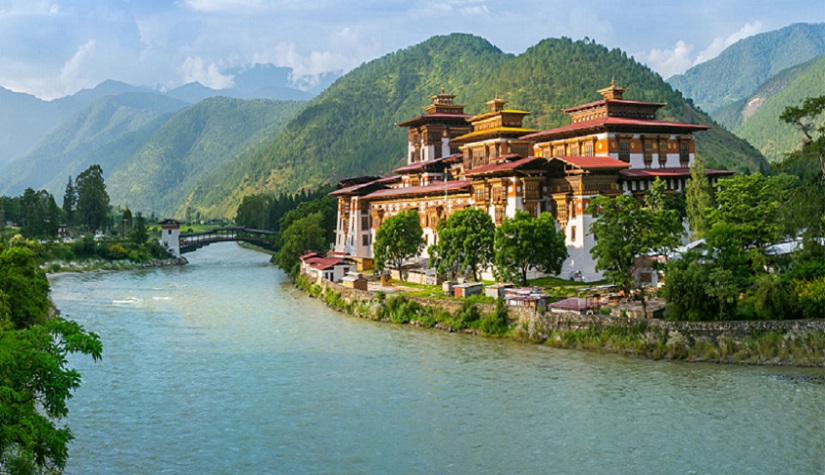
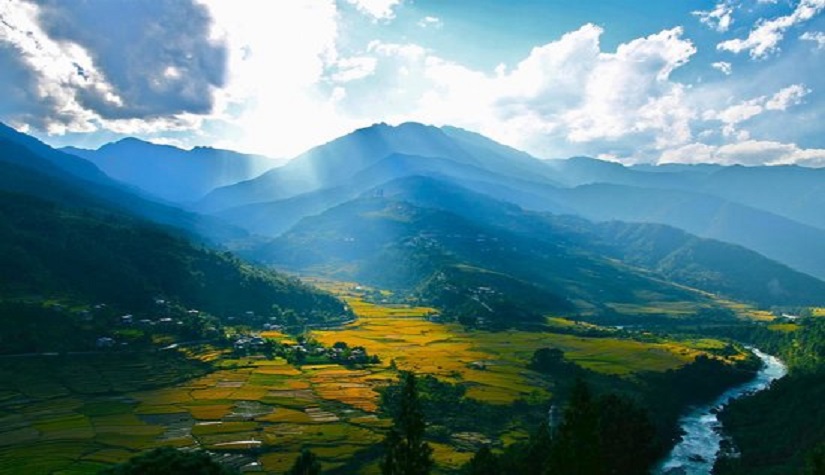
Journeys in Bhutan can be slow as the one main road running east to west weaves its way over the Himalayan foothills and routes are occasionally closed by landslides. Delays, however, are more than compensated for by the beautiful scenery and the provision of a private vehicle and guide allows you the opportunity to rest, take a walk or photograph as much as you choose.
With their first-hand knowledge of Bhutan our specialists will help to plan your visit to ensure you get beneath the skin of this mystical kingdom.
Accommodation
As an emerging tourist destination you will find a limited choice of accommodation in Bhutan, although the king recently permitted the first luxury resorts to open and these now extend beyond Paro and Thimpu to increasingly remote parts of the country. In the meantime, most accommodation is much more basic and in many rural areas there are often power failures. However, all the rooms we use have bathrooms en suite and often have a bukhari (a wood-burning stove) to take the chill off the cold night air.
Language
Bhutan's official language is Dzongkha, but 18 other languages including Nepali are spoken. English is the medium of instruction in schools and is widely spoken.
Money and expense
Bhutan's currency is the Ngultrum (Nu), with 100 Chetrum = 1 Ngultrum. The Ngultrum is fixed to the value of India rupee. Carry a mixture of travellers cheques (American Express is most widely accepted) and cash in US dollars which can often be used for the purchase of souvenirs. There are bank branches in all major towns.
A few outlets in Thimpu accept payment by credit card, but with a surcharge added. Daily expenditure varies from person to person, but in general you should allow US$5-10 daily for laundry, drinks, phone calls overseas, small souvenirs, postcards and stamps.
Tipping
Tipping in Bhutan is not compulsory. Hotels and restaurant bills include service charges of 20%; there is no need to add anything further onto these bills. The tipping of your guide, driver and trek crew is purely a personal matter. However, we would suggest a tip per day of 10 USD for your guide and 6 USD for your driver. If you are trekking in Bhutan then other trek staff (such as horsemen/cooks) should be tipped around 8 USD per day for a short trek, for treks over 5 nights we recommend 5 USD per day.
Obviously this is very much a rough guide and you are completely free to give whatever you feel is appropriate.
Food & Drink
The Bhutanese diet is mainly meat, dairy products, rice (red or white) and vegetables. "Emadatse" (chilli and cheese stew) is the national dish with many variations throughout the country. Beware: traditional Bhutanese food always features chillies! Meat dishes, mainly pork, beef and yak are lavishly dosed with red peppers, which are a common sight drying on rooftops.
Social occasions mean serving salted butter tea, or "suja". "Doma" or betel nut is offered as a customary gesture of greeting. The Bhutanese enjoy "Chang", a local beer, and "arra", country liquor, distilled from maize, rice, wheat or barley. Your meals will generally be in the form of a small buffet with a variety of dishes to choose from and simple picnics are often carried for long journeys. Bottled water is widely available.
Social Conventions & Etiquette
Whilst visiting Dzongs, monasteries, temples and festivals ensure you dress neatly and modestly (covered arms, no shorts, three quarter length trousers, short skirts or tight or skimpy clothing). Do not wear a hat in the precincts of Dzongs or religious complexes.
Walk clockwise around Chortens (stupas) and Mani (prayer) walls and refrain from smoking on the premises. If you see a prayer flagpole on the ground waiting to be erected, do not step over it, as this is considered extremely disrespectful: walk around it instead. Never stray onto the dance ground at festivals in search of the perfect spot - this is the height of bad manners and will definitely give offence to all Bhutanese who see you.
The giving of alms to mendicants and holy men in the vicinity of markets and outside temples is an accepted practice. In exchange for your contribution of a small coin, a prayer will be intoned for you. Take your cue from the Bhutanese on such occasions and, when in doubt, ask your guide what would be the appropriate thing to do.